The fear is real. So is the way around it.

Nervous about dental visits? Overcome needle and dental drill fears. Our customized sedation options are designed to ease your anxiety and make dental visits comfortable — inhalation sedation, oral sedation, IV sedation or general anesthesia, chosen around you. From cleanings to implants, stress-free care, in fewer appointments.

What keeps you away

Sedation Dentistry in Memphis & Southaven, MS

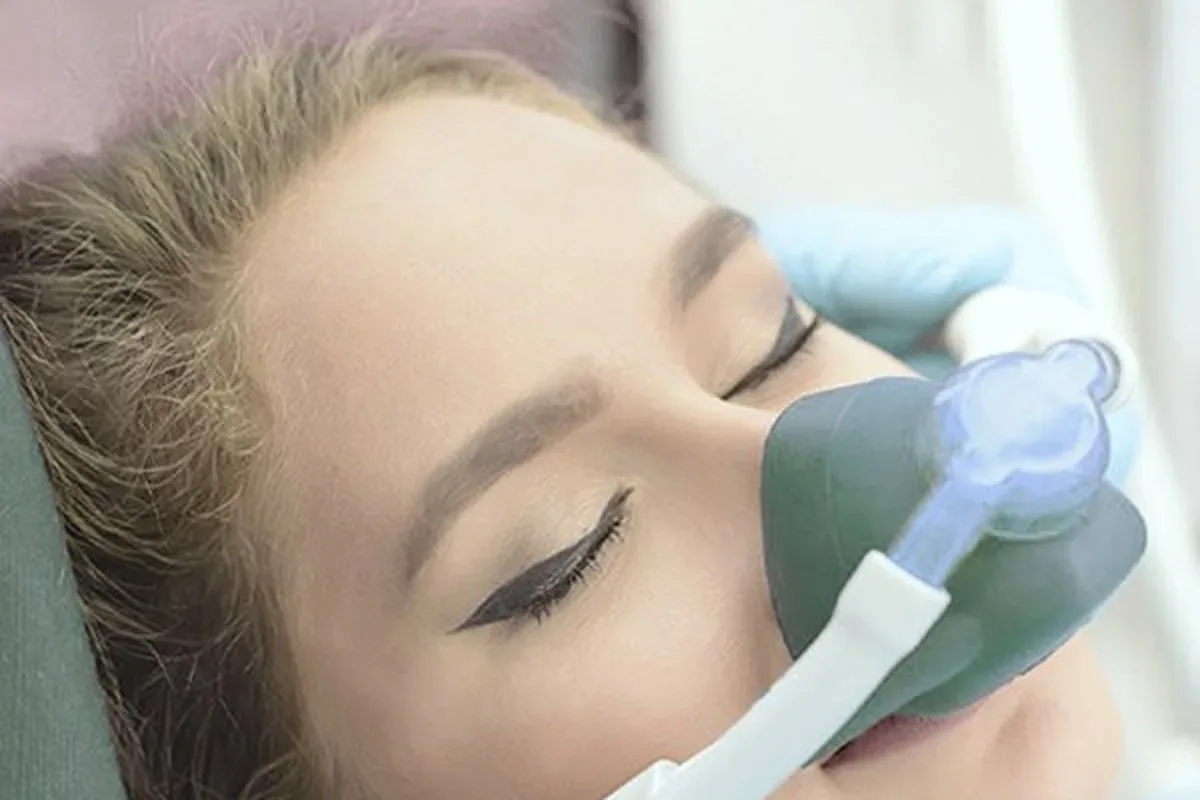
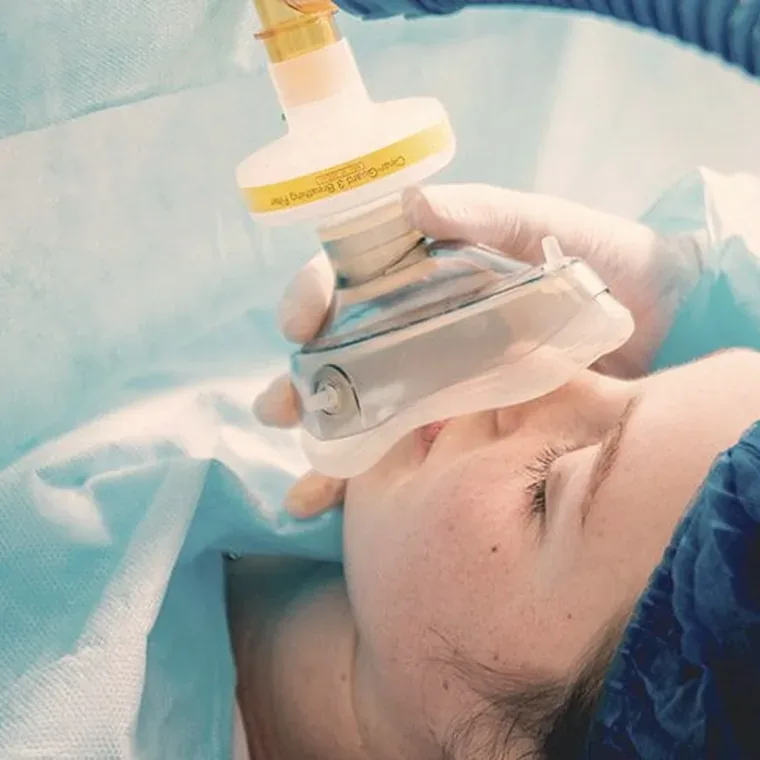
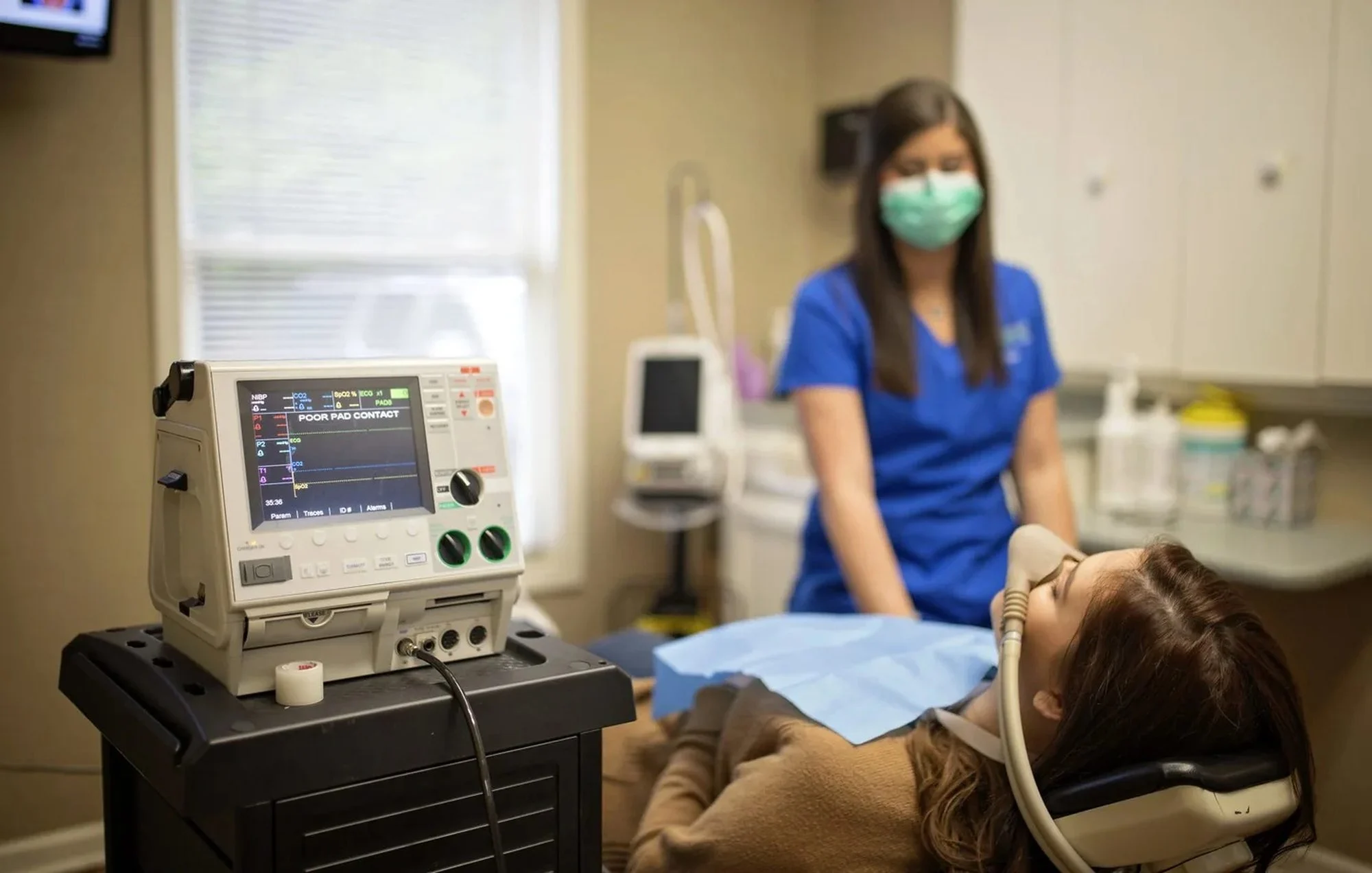
Sedation dentistry – a calm patient under a nitrous oxide nasal hood in the dental chair at Advanced Dental Implant and TMJ Center, with vital signs monitored on screen beside her

We listen · We care · We make it affordable

We have seen worse. Genuinely.

Dental fear is the most common reason people stop coming. If it has been ten years, that is not a reason to stay away — it is the reason to come in.

It usually starts with one bad appointment. An injection that did not take. A dentist who told you to sit still. After that you cancel one check-up, then the next, and the years stack up quietly. By the time something actually hurts, you are not only frightened of the treatment — you are ashamed of the state of your mouth, and that shame keeps you away far longer than the fear ever did.

We see that patient every single week. Nobody here is going to ask why you left it so long, sigh at your X-rays, or lecture you about flossing. We are the practice people come to when they have run out of road somewhere else — failed implants, advanced bone loss, full-mouth cases other offices turned down. Yours will not be the worst thing we see this month.

Nervous about the needle? Start here

  1. Inhalation sedation involves no needle at all. Nitrous oxide — laughing gas — is breathed in as a mixture with oxygen through a mask over your nose.
  2. Nor does oral sedation. It is a pill, taken beforehand, that makes you drowsy.
  3. For longer or more complex work, IV sedation delivers the drug through a vein. You stay awake and feel no discomfort, and can still respond to a voice or a light touch.
  4. The drugs used in IV sedation have an amnesic effect — most patients come away with little or no recall of the appointment.
  5. You will not be in pain. Sedation dulls the senses and lowers consciousness, so there is less pain, less fear, less anxiety and less memory of what happened.
  6. Dr. Adatrow decides which type suits you after assessing your medical history, your medications, how anxious you are and the treatment you need.

Say on the phone that needles are the problem. It is noted before you arrive, and it changes which option we talk about first.

Who is doing it: Dr. Adatrow trained intensively in administering sedation at Indiana University hospital and has more than 30 years of using it — on everything from a single filling to a full-mouth reconstruction — with continuous pulse oximetry, capnography, ECG and blood-pressure monitoring throughout.

Start with the fear, not the teeth

Three things worth knowing.

What dental fear actually is and what it costs you, which of the four sedation types answers it, and whether the sedation itself is safe.

Dental fear & dental phobia

The fear, and what it costs.

Nobody is frightened of teeth. People are frightened of the needle, of the sound, of the not-knowing, of being unable to say stop. Naming the specific thing is the whole first step — because different fears have different answers, and one or two of them are not sedation at all.

A calm patient in the dental chair breathing nitrous oxide through a nasal hood, eyes closed and relaxed

What it is

Dental fear, or odontophobia

Dental fear — also called dental phobia or odontophobia — is an immobilising dread of visiting the dentist and getting oral care. It is a recognised phobia, not a personality trait, and not something you should have to apologise for.

It matters because of what it delays. Care put off long enough turns a small problem into an emergency, and a few of those become genuinely dangerous.

How common

Nearly half of everybody

Studies have found that thirty to fifty percent of the population avoid going to a dentist regularly because of anxiety and fear — of the clinic, or of sitting in the chair.

Read that again. If you have been treating this as your private failing, it is not. It is closer to half the room.

What sets dental fear off

  • Fear of pain
  • The sound of the drill
  • The smell of a dental office
  • The instruments themselves
  • Needles
  • Feeling helpless in the chair
  • Gagging

Tell us which of these is yours. It changes what we do.

Needles

The injection is the worst part

For a great many people the whole dread comes down to one moment: the needle. Everything after it would be tolerable if that could be skipped.

Two of the four sedation techniques involve no needle at all — nitrous oxide is breathed through a mask, and oral sedation is a pill. And where IV sedation is used, the amnesic effect of the drugs means most patients have little or no recall of the appointment.

The drill

The sound, and what it means

The whine of the drill is a conditioned response for most people — it is not the noise that frightens you, it is what the noise predicts.

Sedation breaks that link. It lowers awareness and memory, so the sound stops carrying its meaning — and with the amnesic effect of oral or IV sedation, most patients do not recall hearing it at all.

Loss of control

Not being able to say stop

Lying back, mouth open, hands occupied, unable to speak. For some people the helplessness is far worse than any pain, and it is the reason they cancel.

We agree a signal before we start — a raised hand — and we honour it every time. Under sedation you stay responsive enough to use it.

Gagging

A gag reflex that ruins everything

If you gag on impressions, X-ray films or anything at the back of your mouth, treatment becomes a fight and the fear of gagging becomes its own fear.

Sedation calms the reflex enough that the work can simply be done.

The second fear

The shame that comes after

Fear keeps you away. Then the state of your mouth keeps you away, which is a different thing altogether — and usually the more powerful of the two.

Nobody here is going to ask why you left it so long, sigh at your X-rays, or lecture you. We see this every week. Yours will not be the worst thing we see this month.

The real cost

What the fear charges you

Fear leads to avoidance. Avoidance turns a filling into a root canal, and a root canal into an extraction and an implant. The bigger the treatment, the longer the appointment — which confirms the fear and makes the next visit harder still.

Sedation interrupts that loop at the point where it still costs you least.

Children

Where lifelong fear begins

A child who has one bad dental experience can carry it for forty years. Most of the frightened adults we treat can name the appointment it started at.

Sedation, used sensibly, stops that from ever beginning. Nitrous oxide is safe for most children and is what we reach for first; oral sedation is possible too, at the right dose.

What changes

How sedation works on the fear

Anti-anxiety medication, nitrous oxide or anaesthesia calm you by lowering awareness and memory. You are less intimidated during the treatment — and, because you do not come away with a fresh bad memory, less intimidated afterwards too.

That is the part people underestimate. Patients who get through one sedated appointment usually need far less for the next.

What sedation makes possible

  • Safely reduces dental fear and anxiety
  • You can sleep through the procedure
  • Treatment for patients with mental or physical health challenges
  • Behavioural difficulties handled comfortably
  • Streamlines the work, so it goes more smoothly
  • Complete treatment in fewer visits
You do not have to arrive and explain yourself. Say on the phone that you are frightened and it is written down before you get here — nobody will make you say it again at the desk, in front of a waiting room. Tell us the specific thing, too: the needle, the noise, lying back, not being able to speak. Different fears have different fixes, and one or two of them do not need sedation at all.

Tell us what worries you

Types of dental sedation

Four answers to it.

All four sedation techniques used in dentistry are available at our Southaven office: inhalation sedation, oral sedation, intravenous (IV) sedation and general anesthesia. They are not one thing on a dial from mild to strong. They answer different fears, and they suit different appointments.

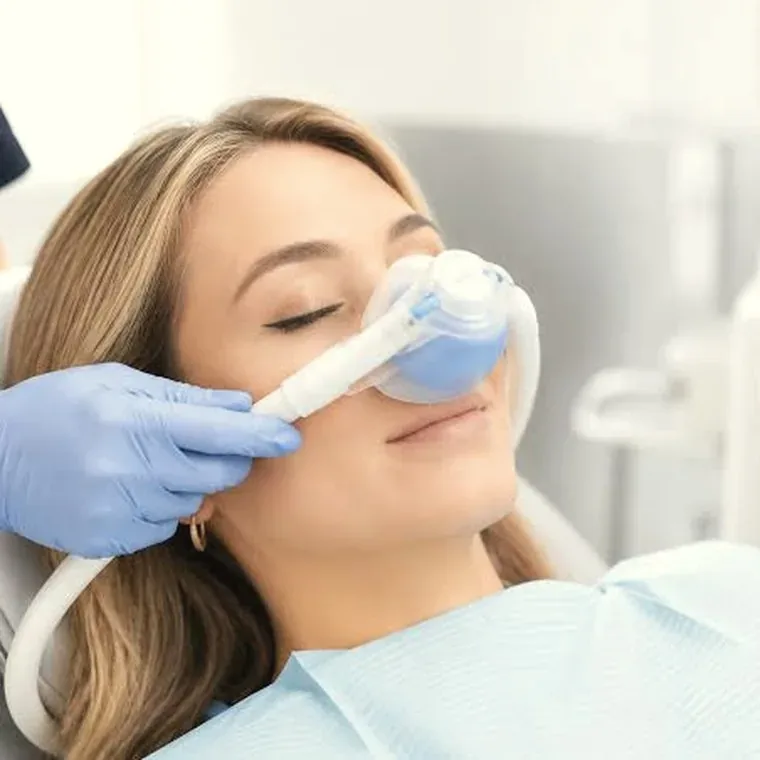
A dental patient relaxed under a nasal hood delivering nitrous oxide and oxygen
01Inhalation sedationNitrous oxide, breathed through a nasal hood
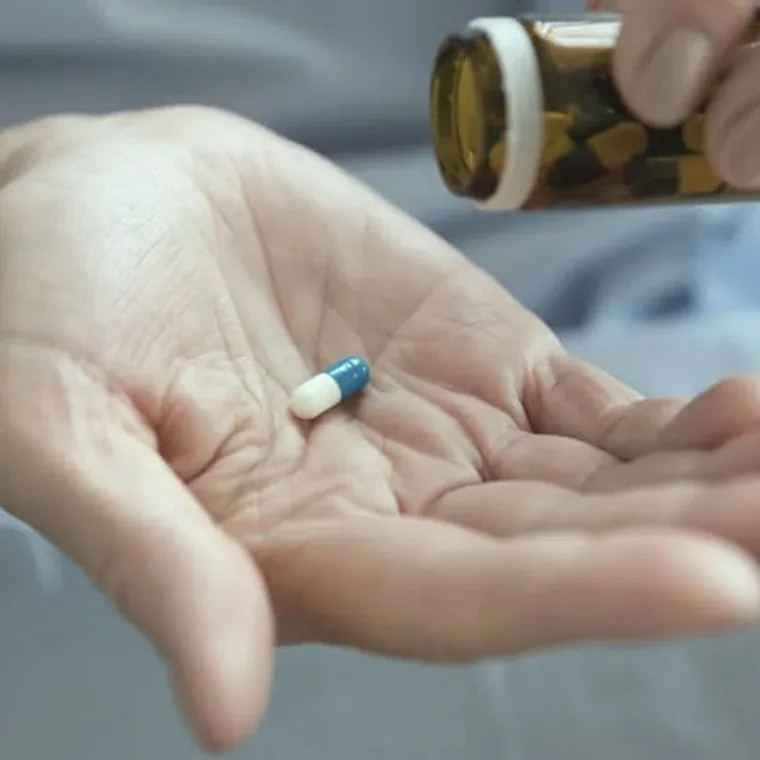
A single sedative capsule tipped into an open palm from a prescription bottle
02Oral sedationA pill taken before your appointment
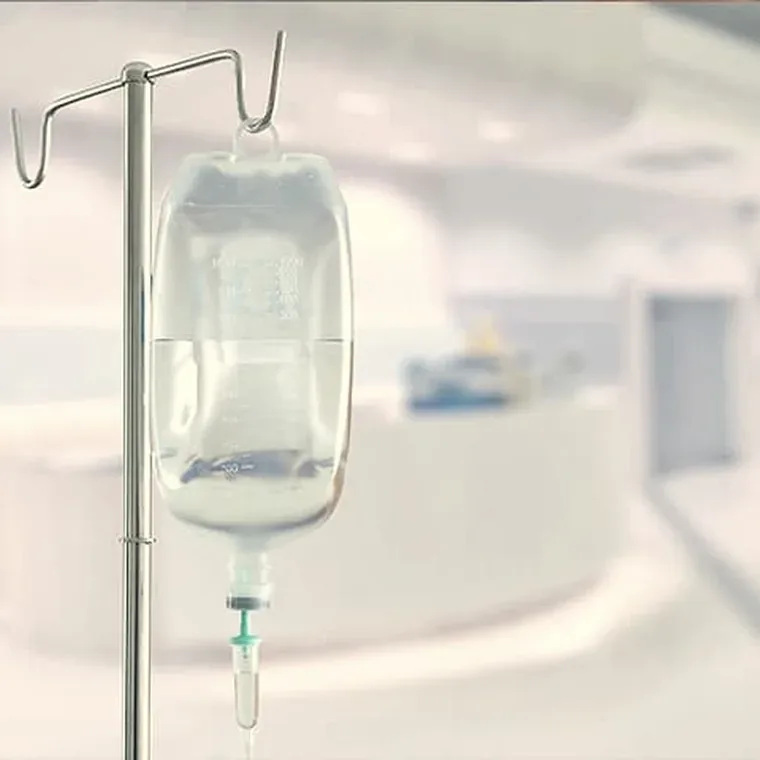
An intravenous drip prepared in a clinical setting
03IV sedationGiven through a vein
An anaesthetic mask held over a sleeping patient in an operating theatre
04General anesthesiaAnaesthetic drugs that induce sleep

Lightest

Inhalation sedation — nitrous oxide

The lightest option. You breathe a mixture of nitrous oxide (laughing gas) and oxygen through a small mask over your nose. It works within minutes and leaves you light, warm and a bit detached.

The best part is the ending: we turn it off, you breathe normal oxygen for a few minutes, and it is gone. You can drive yourself home.

Middle

Oral sedation

You take a pill that makes you drowsy — usually from the benzodiazepine family that includes Valium — before your appointment. You stay awake but drowsy and untroubled, and you may remember very little.

It wears off slowly, so you will need someone to bring you and take you home.

Our usual choice

Intravenous (IV) sedation

The one most people mean when they say sleep dentistry. A vein is accessed and the medicine goes in through a small cannula in your arm or hand, so it works within moments and the dose can be adjusted as we go.

You stay awake enough to answer if we speak to you — but you are comfortable, unbothered, and most people remember almost nothing afterwards. This is what most of our longer procedures are done under.

Deepest

General anesthesia

Fully unconscious, not merely relaxed. It needs help with your breathing and an anesthesiologist watching over it, and it is reserved for the small number of cases that genuinely require it.

The real difference

IV sedation or general?

People use “put me to sleep” for both, but they are not the same. Under IV sedation you breathe for yourself, your heart rhythm carries on unaided, and you respond if spoken to. Under general anesthesia none of that is true.

IV sedation is the safer of the two, and for the great majority of dental work it does everything general anesthesia would — which is why we reach for it first.

Worth understanding

Sedation is not painkilling

Sedation deals with the anxiety and the awareness. It does not numb anything.

So you will still have local anaesthetic for the work itself — you simply will not mind it being given, and often will not remember it. The two do different jobs and are used together.

What it feels like

Time goes missing

Most people describe it as sitting down, feeling pleasantly heavy, and then being told it is finished. The hour in between is simply not there.

That gap is normal and it is the point. Memory loss around the procedure is expected with oral and IV sedation, not a sign anything went wrong.

Not your call alone

Who decides which

Dr. Adatrow does, after looking at your medical history, your medications, how anxious you actually are and what treatment you need.

You can say what you would prefer, and we will listen. But the choice has to be a clinical one.

Cost & cover

What it adds

Nitrous oxide costs relatively little. IV sedation costs more, because of the drugs, the monitoring and the extra time.

Dental or medical insurance may contribute, particularly where sedation is medically necessary rather than chosen. We check both and quote you before you commit.

Not only fear — who else benefits

  • Dental anxiety or an outright phobia
  • A strong gag reflex
  • Low pain tolerance
  • Complex or multiple procedures needed
  • Difficulty staying still in the chair
  • Mental or physical health challenges
  • A jaw that will not open wide
  • Very sensitive teeth
  • Children

Special needs

When sitting still is not possible

For patients with physical or learning disabilities, or behavioural difficulties that make treatment distressing, sedation can turn an impossible appointment into a calm one.

We treat special needs patients regularly.
Special needs dental care →

What it covers

Procedures we sedate for

  • Dental implants and full-arch work
  • Wisdom teeth and surgical extractions
  • Gum surgery and deep cleanings
  • Root canal treatment and crowns
  • Bone grafts and sinus lifts
  • Even a routine cleaning, if that is what it takes
“Sleep dentistry” is a loose term. Practices use it for everything from laughing gas to full general anesthesia, which makes comparing quotes difficult. Ask any dentist exactly which of the four they mean, who administers it, and who is monitoring you while it happens. Those three answers tell you most of what you need to know.

Find out which would suit you

Safety, preparation & recovery

And if the sedation frightens you too?

That is a reasonable thing to be nervous about, and it deserves a straight answer rather than reassurance. Sedation is safe when it is done properly — and “properly” means training, continuous monitoring, and knowing your full history before we start. Here is exactly what happens.

A patient resting comfortably after sedation, with an intravenous line in place

Throughout

What we watch

  • Heart rate
  • Blood pressure
  • Oxygen levels in your blood
  • Breathing rate and carbon dioxide
  • Body temperature

Continuously, for the whole appointment — not checked once at the start.

On record

Everything is written down

Every reading, every medicine, every dose and the exact time it was given goes into your record.

That is partly good practice and partly simple accountability. If you ever want to see it, you can.

Who is doing it

Training matters more than equipment

Dr. Adatrow trained in administering sedation at Indiana University hospital and has more than 30 years of doing it.

Ask any practice who actually administers their sedation and what they trained in. It is a fair question and you should get a straight answer.

Before — important

Tell us everything

Every medicine, including things you might not think count: supplements, herbal remedies, anything you buy over the counter. Plus how much you smoke and how much you drink.

None of it is asked to judge you. All of it changes how your body handles sedation, and leaving something out is the one genuine risk you control.

Before

Getting ready

It depends which sedation you are having. Laughing gas needs almost no preparation. Oral and IV sedation come with instructions about eating, drinking and your usual medicines.

You will be given those in writing when we book you. Follow them exactly — if you slip up, ring us rather than pressing on.

Getting home

You will need a driver

After laughing gas you can drive yourself. After oral or IV sedation you cannot — and it is not for an hour or two, it is for the rest of the day.

No driving and no machinery for a full twenty-four hours. Arrange someone before the appointment, not on the way out.

Afterwards

The rest of the day

Rest, drink plenty, and eat something light when you feel ready. Expect to be woolly on and off. Do not sign anything important or make decisions you would want to think about.

Most people report little or no pain the following day, which surprises them more than anything else.

Normal

Common side effects

  • Remembering little or nothing of the appointment
  • A dry mouth
  • Hiccups
  • Feeling drowsy on and off

All expected, all short-lived, and none a sign of a problem.

Coming round

How long it takes

Laughing gas is gone within minutes of the mask coming off. Oral and IV sedation need the rest of the day, and sometimes you will feel a little off into the next one.

Everyone metabolises it differently. Do not plan anything for the evening.

Bring someone with you. Not only for the lift home. Having a person you trust in the waiting room makes a real difference on the way in, and afterwards it helps to have someone who heard the instructions while you were still fuzzy. We are happy for them to sit with you until we start.

Ask us anything before you book

One appointment

Say it out loud: you’re frightened.

It is the sentence that unlocks everything, and it takes four words on the phone. Nobody here reacts to it, because we hear it several times a day. The first appointment can be a conversation and nothing else — no instruments, no lecture about flossing. We look, we listen, and we tell you what the options are. You decide what happens next, and when.

Southaven, MS · serving Memphis, Horn Lake, Olive Branch, Hernando, Germantown & Collierville

Trusted & recognized

Sedation in trained hands.

The credentials behind the person watching your monitors.

Voted DeSoto's Best 8 years in a row 2018 to 2025Voted DeSoto's Best, 8 years in a row 2018 to 2025
Selected Face of Dental Implants 9 years in a row 2018 to 2026Selected Face of Dental Implants, 9 years in a row 2018 to 2026
Voted Memphis best periodontist 2 timesVoted Memphis best periodontist 2 times
American Board of Periodontology — Board CertifiedMidsouth's only Board Certified Dual Specialist
Voted Top Dentist 7 years in a row 2020 to 2026Voted Top Dentist, 7 years in a row 2020 to 2026
30 Years of Clinical Experience30 Years of Clinical Experience

Step by step

How it works.

Four steps, start to finish.

1

You tell us you are nervous

On the phone, when you book. It goes on your notes before you arrive, so nobody asks you to explain it again at the desk. Tell us what specifically bothers you — needles, noise, lying back, not being able to talk.

2

We go through your health

Every medicine, supplement and habit, plus what you want done. That conversation decides which sedation suits you, and it happens before anything is booked rather than on the day.

3

Written instructions, then the day

Eating, drinking, your usual medicines, and who is driving you home — all in writing beforehand. On the day the monitors go on before we start and stay on throughout.

4

Home, and the day after

You go home with someone. No driving for twenty-four hours. Most people are surprised by how little discomfort there is the next day, and by how much got done in one visit.

Why sedation dentistry here

Who will be looking after you.

Dr. Adatrow trained intensively in administering sedation at Indiana University hospital, has more than 30 years of using it, and is the only practising board-certified periodontist who is also a prosthodontist in the southern United States. He takes the time to understand your condition before recommending anything.

Dr. Pradeep Adatrow
Dr. Pradeep Adatrow
DDS, MSD · Periodontics & Prosthodontics

A former University of Tennessee professor and program director, and the only board-certified periodontal and implant surgeon who is also a prosthodontist in the southern United States. Degrees from the University of Alabama and the University of Tennessee, with postdoctoral training at Indiana University. That combination is why the conversation about removing a tooth and the conversation about replacing it happen in one room, with one person. Fellow of the International College of Dentists.

Meet Dr. Pradeep Adatrow →
Dr. Jay Patel
Dr. Jay Patel
DDS, MPH · Board Certified Periodontist

A board-certified periodontal and dental implant surgeon, with his dental degree from USC's Ostrow School of Dentistry and postgraduate surgical training at the University of Pittsburgh. Known for a gentle chairside manner and for work with complex medical cases — often the reason a nervous patient who has put treatment off for years asks for him by name.

Meet Dr. Jay Patel →

Real patients · real reviews

People who were terrified too.

Left on Google by patients of this practice. Rated 4.9 across more than 1,900 of them.

“I had my wisdom teeth removed and I was terrified but everything went smooth. The staff took good care of me. Just make sure you follow all the directions and if any questions arise, they are great at answering them. I believe I called a few times and they were patient every time.”
Ashley Martin
“My adult disabled autistic son had two wisdom teeth pulled. The Center was great with him and it was a great experience which we haven’t had with other dentists in the past. It was pain free and he’s agreed to go back there for regular dentistry if needed.”
Tina Sansone
“Danni and Gracie were absolutely AMAZING!! They made me feel completely at ease during my procedure, and I couldn’t be happier with the results. The entire staff is so friendly and professional — they truly go above and beyond to ensure a comfortable experience.”
Darchelle Mitchell
Robyn Blackmon
“The staff and doctors are very friendly and willing to answer any questions that you may have to put your concerns at ease.”
Bridgett
“Great care, very caring and I felt safe with them.”
Kathy Parker
4.9★
Rated across 1,900+ reviews
30+
Years of clinical experience
25k+
Dental implants placed

Sleep dentistry

Sedation dentistry in Memphis and Southaven.

Three levels of sedation

Nitrous oxide (laughing gas) takes the edge off and wears off quickly. Oral sedation is a pill taken before your visit that leaves you deeply relaxed. IV sedation is the deepest option we offer; many people call it “sleep dentistry” because they remember little or nothing of the visit.

Who sedation helps

Sedation helps people with dental fear or anxiety, a strong gag reflex, sensitive teeth, or a long procedure such as All-on-4, wisdom teeth removal or gum surgery. It can also let more work be done in one visit.

Safety first

We review your medical history and medications before recommending sedation, monitor you throughout, and give clear instructions. Bring a driver if you have oral or IV sedation.

A dentist that puts you to sleep, near Memphis

Patients come to our Southaven, MS office from Memphis, Collierville, Germantown and DeSoto County for sedation dentistry, often after years of avoiding the dentist.

Why Southaven patients choose a specialist

IV sedation is not offered at many general dental offices. In Southaven we provide nitrous, oral and IV sedation for implant, extraction and gum surgery, so longer treatment can often be completed in one comfortable visit. Free consultation, financing and most dental insurance accepted.

Good to know

Questions people ask.

Will I be asleep during IV sedation?

IV sedation puts you in a deeply relaxed state. Most people feel as if they slept and remember little or nothing of the procedure, although you can still respond.

Do I need a driver after sedation?

Yes, after oral or IV sedation. With nitrous oxide alone most people can drive themselves home.

What is sedation dentistry?

Medication used to keep you relaxed and comfortable while dental work is carried out. It reduces fear and anxiety and lowers your awareness of the procedure, so that everything from a basic cleaning to advanced implant surgery can be done calmly — and usually in fewer appointments.

I am scared of needles. Which sedation can I have?

Two of the four techniques involve no needle at all. Inhalation sedation is nitrous oxide (laughing gas) breathed through a mask with oxygen, and oral sedation is simply a pill taken beforehand. Intravenous sedation does use a vein, but the drugs carry an amnesic effect, so most patients recall little or nothing of the appointment. Tell us when you book that needles are the fear — it changes which option we discuss first.

I am scared of the sound of the drill. Does sedation help with that?

Yes. Sedation works by lowering awareness and memory rather than by numbing, so the sound loses the meaning your mind has attached to it. With oral or IV sedation the amnesic effect means most patients do not recall hearing it at all.

What is dental fear?

Dental fear, also called dental phobia or odontophobia, is an immobilising fear of visiting the dentist and getting oral care. It matters because it delays treatment: problems that would have been small become emergencies, and a few of those turn genuinely dangerous. Common causes include fear of pain, the sound of the drill, the smell of the office, the instruments, needles, feeling helpless and gagging.

How common is dental phobia?

Studies have found that thirty to fifty percent of the population avoid going to a dentist regularly because of anxiety and fear of dental clinics or of sitting in the chair. If this is you, you are not unusual.

What are the four types of sedation used in dentistry?

Inhalation sedation (nitrous oxide, or laughing gas, breathed through a mask with oxygen); oral sedation (a pill that makes you drowsy); intravenous or IV sedation (a drug given through a vein); and general anesthesia (anaesthetic drugs that induce sleep).

What is the difference between IV sedation and general anesthesia?

The real difference is your breathing. Under IV conscious sedation you breathe on your own, your heart carries on unaided, and you stay awake enough to respond to a voice or a light touch — while feeling no discomfort, and usually recalling little or nothing. Under general anesthesia you are wholly unconscious, cannot be woken by painful stimuli, and lose control of the respiratory muscles, so breathing has to be supported and an anaesthesiologist has to monitor it. IV sedation is the safer and more comfortable of the two.

How will I feel during sedation?

Relaxed, and much less aware. How much memory, responsiveness and consciousness you keep depends on which type you have — you do not lose consciousness entirely unless you have general anesthesia. Most people feel relaxed both during and afterwards, and find their dread of the dentist reduces with each visit.

Will I experience any pain during sedation dentistry?

No. Sedation dulls the senses and lowers consciousness, so there is less pain, less fear, less anxiety and less memory of the procedure. Local anaesthetic still numbs the area — the two are used together and do different jobs.

Can I choose which kind of sedation I have?

You can say what you would prefer and we will listen, but the choice has to be a clinical one. Dr. Adatrow assesses your medical history, your medications, how anxious you actually are and what treatment is needed, then recommends the type that suits you.

What medicines are used in sedation dentistry?

That depends on the procedure and on your medical history. The most commonly used are benzodiazepines — the family that includes Valium — and nitrous oxide gas. Both work by reducing dental anxiety rather than by numbing.

How will my dentist safeguard my health during the procedure?

Dr. Adatrow monitors your vital signs throughout: body temperature, to prevent fluctuations; heart rate, rhythm and blood pressure, for proper circulation; carbon dioxide and respiration rate, to confirm normal breathing; and oxygen saturation, for adequate oxygen levels. Every reading, medicine, dose and timing is documented in your record.

How safe is sedation in dental procedures?

Very, in trained hands and when the instructions are followed. Side effects are uncommon and mild — usually no memory of the procedure, a dry mouth, or hiccups. The one thing that genuinely affects safety is honesty: give us your full medical history and every medication, including supplements and anything over the counter.

How do I prepare for a sedation dentistry visit?

It depends on the type. Nitrous oxide needs almost no preparation. Oral and IV sedation may involve a sedative pill beforehand and instructions about eating, drinking and your usual medicines. Our office gives you specific pre-procedure instructions in writing when the appointment is booked.

How long does sedation recovery take?

It varies by person and by type. Nitrous oxide wears off almost immediately. Oral and IV sedation need the rest of the day — no driving and no heavy machinery for twenty-four hours. Rest, hydrate well and follow the post-treatment instructions. Most patients report minimal or no pain the following day.

Can children have sedation dentistry?

Yes, where a child is very frightened or cannot cooperate. Nitrous oxide is safe for most children and is the option used most often; oral sedation is possible too, at the right dose. What matters most is that the dentist is fully trained and experienced in sedating children.

How do I approach my dentist about sedation dentistry?

Just say it — on the phone when you book, or at the first visit. Dr. Adatrow, who trained at Indiana University, will talk your fears through without judgement. Tell him your medications (supplements included), your medical history, and how much you smoke or drink, because all of those change how you respond to sedation medicine.

Does insurance cover sedation?

Sometimes. It is more likely where sedation is medically necessary rather than a preference. We check your dental and medical cover and tell you the figure before you commit.

Do you see patients from outside Southaven?

Constantly — from Memphis, Germantown, Collierville, Bartlett and Cordova; from Olive Branch, Hernando, Horn Lake, Batesville, Senatobia, Holly Springs and Clarksdale; and from West Memphis, Marion, Forrest City and Brinkley.

Book an appointment

Start with a chat.

Tell us what’s going on — how long it has been, what frightens you most, and what you would like done. If you would rather the first visit was only a conversation, say so and that is what it will be. A real person on our team will call you back.

Call or text · (662) 655-4868

Email · info@adatmj.com

Address · 7135 Getwell Rd, Suite 100, Southaven, MS 38672

Hours · Mon to Wed, 8am to 5pm · Thu and Fri, 7:30am to 3:30pm

Get directions

7135 Getwell Rd, Suite 100
Southaven, MS 38672

Request a consultation

Please tell us your name.
Please add a number we can reach you on.
That email doesn't look right.

Your details stay with us. Never shared, never sold. Requesting a time commits you to nothing.