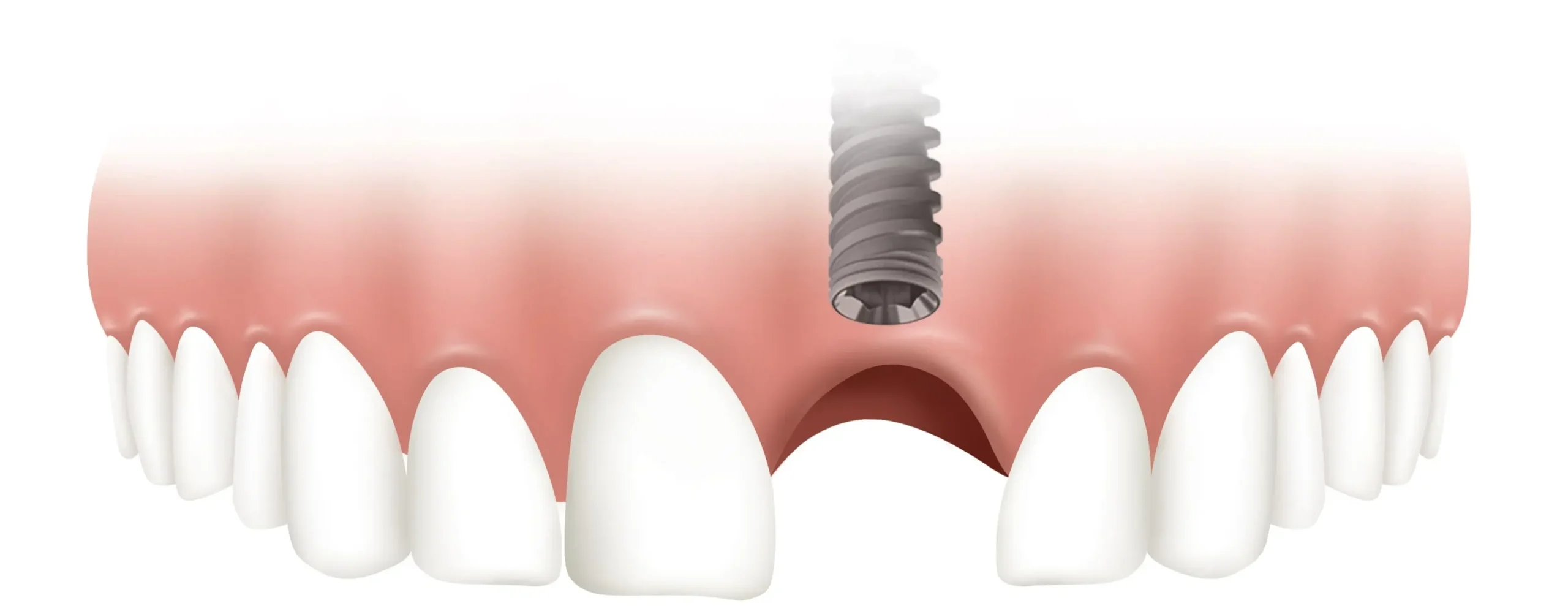
Role Of Keratinized Tissue In Dental Implants
The Case of the Tender Gums
Linda, a 54-year-old from Southaven, visited our Advanced Dental Implant & TMJ Center six months after receiving implants elsewhere. Her implants were secure, but her gums felt tender and sore every time she brushed or ate spicy food. The issue wasn’t infection – it was the lack of keratinized tissue around her dental implants.
Many patients underestimate the importance of gum tissue. Strong bone supports your implant, but healthy, keratinized gum tissue protects it. Without sufficient attached gum tissue, implants become prone to irritation, inflammation, and long-term gum recession.
What Is Keratinized Tissue and Why Does It Matter?
Keratinized tissue is the tough, pink gum that naturally surrounds your teeth. It acts like armor – protecting the implant and bone from bacteria, irritation, and trauma during brushing or chewing. When implants are placed in areas with little or no keratinized tissue, the gums become thin, movable, and difficult to clean.
Problems caused by lack of keratinized tissue include:
- Gum soreness and bleeding while brushing
- Food impaction and plaque buildup around implants
- Receding gumlines and exposed metal at the crown base
- Increased risk of peri-implant inflammation or bone loss
When and Why We Add Gum Around Dental Implants
Adding keratinized tissue isn’t just about esthetics – it’s about implant survival. We perform gum grafting or soft tissue grafting when:
- The gum is thin, movable, or non-keratinized
- The patient experiences brushing discomfort
- There is high risk of gum recession or peri-implantitis
- The implant is in the aesthetic smile zone
This procedure ensures long-term implant health, protects the bone interface, and enhances smile esthetics. Learn more about our soft tissue grafts and cosmetic implant care options.
Types of Gum Grafts Used Around Implants
1 Connective Tissue Graft (CTG)
A **connective tissue graft (CTG)** is the gold standard for increasing tissue thickness and improving implant esthetics. A small layer of connective tissue is gently taken from the roof of the mouth and placed under thin gum tissue near the implant. The result is a stable, natural-looking gum that blends seamlessly.
Best for: Front-tooth implants, thin gum biotype, and patients who value esthetic outcomes.
(Visual Placeholder – CTG graft cross-section illustration)
2 Free Gingival Graft (FGG)
A **free gingival graft (FGG)** uses a small patch of keratinized gum from the palate, placed directly around the implant. This technique increases the width of the attached gum, giving the implant a stronger, more protective band of tissue.
Best for: Back-tooth implants, lower jaw areas, or cases with minimal existing gum thickness.
When Is the Best Time for Gum Grafting Around Implants?
Soft tissue grafts can be done either during implant placement or after the implant has healed. Combining grafting with implant placement often improves healing and saves time. However, for patients with thin or delicate gums, post-implant grafting gives better tissue stability.
Healing After a Gum Graft for Dental Implants
Recovery from a soft tissue graft is typically smooth. Mild tenderness may occur for a few days, but most patients return to work within 24–48 hours. Within four to six weeks, the graft blends naturally with surrounding gum, creating a thick, healthy band of keratinized tissue.
We provide detailed aftercare instructions to ensure your new gum integrates perfectly with your implants. Explore our dental implant aftercare guide.
Linda’s Transformation
After a connective tissue graft around Linda’s front implants, her tenderness disappeared and her gums felt stronger. Brushing became easy again, and her smile looked healthier than ever. This minor soft-tissue procedure completely transformed her comfort and confidence.
FAQs About Keratinized Tissue and Gum Grafts Around Implants
Do all dental implants need gum grafts?
Is gum grafting painful?
How long does it take for a gum graft to heal?
What’s the difference between CTG and FGG?
Can gum grafts improve smile appearance?
The Takeaway: Strong Gums = Strong Implants
Bone forms the foundation of your dental implant, but keratinized gum tissue is its armor. By adding or thickening soft tissue through gum grafts, you protect against irritation, bone loss, and recession. If your implants feel sore or your gums look thin, schedule an appointment with **Dr. Pradeep Adatrow**, Midsouth’s only Dual Board-Certified Dental Specialist, to discuss whether a soft tissue graft can restore your comfort and confidence.Do you have any further questions about Dental Implants?
If you have any further questions about Dental Implants, you can schedule a consultation with Dr. Adatrow. Dr. Adatrow has more than 20 years of experience in placing dental implants, with a success rate of over 97%, and can provide you with the best possible dental treatment. He is a Board-Certified Prosthodontist and Periodontist in Hernando, MS region. Please get in touch with our office for your consultation now!